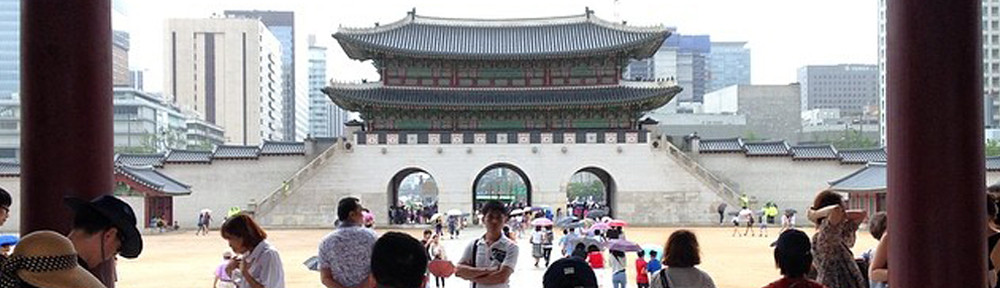
The Namdaemun is re-opened.
Namdaemun, officially known as the Sungnyemun (literally Gate of Exalted Ceremonies), is one of the Eight Gates in theFortress Wall of Seoul, South Korea, which surrounded the city in the Joseon Dynasty. The gate is located in Jung-gu between Seoul Station and Seoul City Plaza, with the historic 24-hour Namdaemun market is next to the gate.
The gate, dating back to the 14th century, is a historic pagoda-style gateway, and is designated as the first National Treasure of South Korea. It was once one of the three major gateways through Seoul’s city walls which had a stone circuit of 18.2 kilometres (11.3 mi) and stood up to 6.1 metres (20 ft) high. It was first built in the last year of King Taejo of Joseon’s reign in 1398, and rebuilt in 1447, during the 29th year of King Sejong the Great of Joseon’s reign.
In 2008, the wooden pagoda atop the gate was severely damaged by arson. Restoration work on the gateway started in February 2010 and was completed in 29 April 2013. It was officially reopened on 5 May 2013.
Source: http://en.wikipedia.org/wiki/Namdaemun
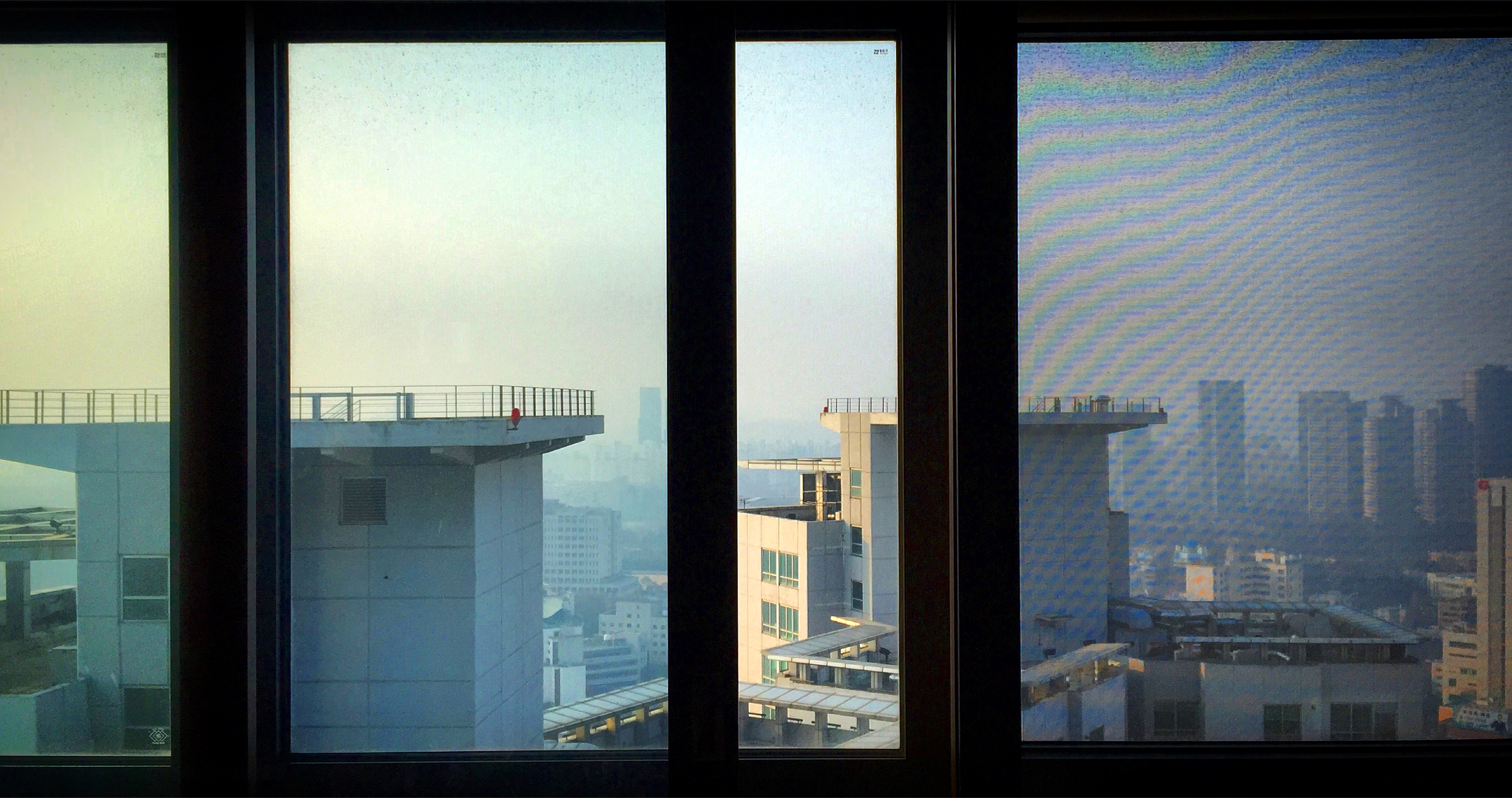
Samsung TV Building, Seoul
Budae jjigae
Budae jjigae (Korean pronunciation: [pudɛ tɕ͈iɡɛ]; lit. “army base stew”) is a type of jjigae (a thick Korean soup similar to a Western stew). Soon after the Korean War, food was scarce in Seoul, South Korea. Some people made use of surplus foods from U.S. Army bases around the Uijeongbu area, Pyeongtaek area (also called Songtan)[1] or Munsan area, such as hot dogs, canned ham, and Spam, and incorporated them into a traditional spicy soup flavored with gochujang (red chili paste) and kimchi.
Budae jjigae is still popular in South Korea. The dish often incorporates modern ingredients such as instant ramen noodles and sliced American cheese. Other ingredients may include ground beef, sliced sausages, baked beans, dropwort, onions, green onions, tteok, tofu, chili peppers, macaroni, garlic, mushrooms and other vegetables in season.
The dish originated during the Korean War, and was popular for a time afterwards, when people had little to eat. People made this dish by combining leftover Spam and hot dogs from U.S. Army facilities with whatever else was available. All the leftovers were combined with water in a large pot and boiled.[3] The dish is also referred to as Johnson Tang (존슨 탕), combining the common American surname Johnson and tang (탕, 湯) a word meaning soup.
The city of Uijeongbu, which is bordered by Seoul to the south and has many army bases, is famous for its budae jjigae. In the late 20th century, the city of Uijeongbu stipulated that the dish be referred to as Uijeongbu jjigae to remove the military or war-time connotation in the name, though not many restaurants follow this guideline. Some restaurants have begun calling their product Uijeongbu budae jjigae. There is also what locals refer to as “Uijeongbu Budaejjigae Street” where there is a high concentration of buddaejjigae restaurants.
Source: http://en.wikipedia.org/wiki/Budae_jjigae